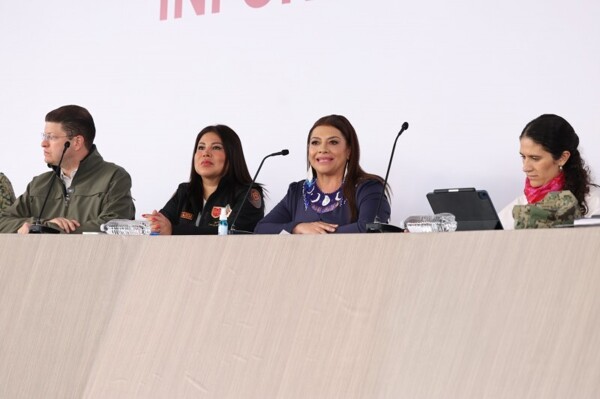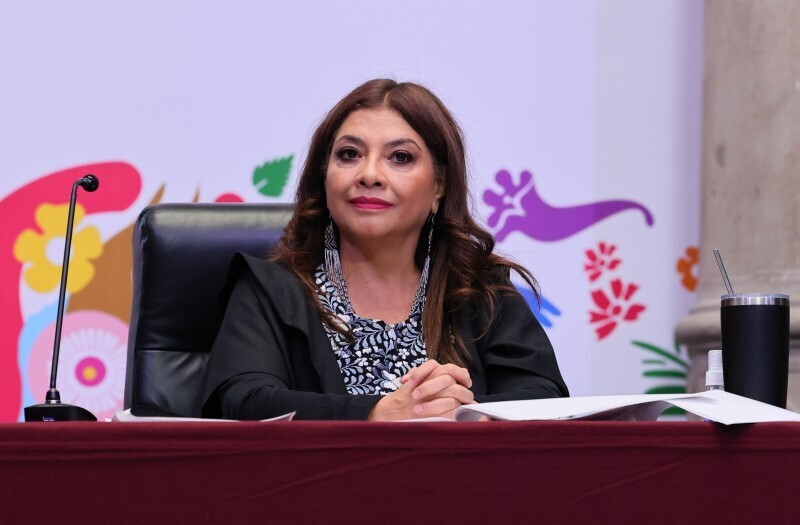
Tensions are rising in Mexico City (CDMX) over the General Development Plan (PGD), which will shape the city's future for decades to come. While the plan itself is not the main challenge, the protests and public discontent it could generate are. "It will awaken many protests and demonstrations because many people will be against," sources have anticipated. The analysis of the plan is expected to be postponed until after the FIFA World Cup. The government, led by Clara Brugada, has launched a period of citizen consultations to allow various sectors, including citizens, academics, and politicians, to participate in its drafting. Once this is complete, the proposals are expected to be regulated within the project's framework and sent to the Palace of Donceles, where the ruling 'Fourth Transformation' (4T) coalition holds a comfortable majority to approve it. However, both government and opposition sources acknowledge that the delay is not due to the need for more consultations, but rather to a lack of agreements and fear of protests. For example, the president of the Congress's Development Planning Commission, Olivia Garza, accused the government of 'massaging the figures,' claiming that 'consultation mechanisms' not contemplated in the law were used. The main problem, they agree, is that its approval could spark tensions, mobilizations, and protests from various sectors, as the plan will become a fundamental part of the CDMX's organization, planning, and regulation for the coming decades. It will regulate aspects such as citizen participation, mobility, land use and construction, the budget, environmental care, and the economy. Meanwhile, political polarization between the Brugada administration and the PAN's congressional faction has intensified again due to the treatment of the PGD. Last year, the head of government announced her administration would advance one of the most important axes of urban planning: the General Development Plan, which should have been approved some time ago but was delayed due to various tensions and disagreements. Deadlines have been repeatedly postponed: first to January 10, then to February 28, and now to April 10. Brugada announced a drop in crime rates and highlighted security ahead of the World Cup. 'We want this consultation to also serve to debate and achieve agreements amidst the various differences there are regarding the city,' she justified. However, the opposition criticizes the process. A deputy from Iztapalapa accused the government of holding a 'consultation for Morena by Morena,' as government workers participated in many of the meetings. She also pointed out strong inconsistencies between the official statements and the information collected on the corresponding web platforms. Despite holding 650 activities, including forums, workshops, and meetings, and receiving 40,000 home consultation forms and 12,500 digital proposals, the future of the PGD in the Congress remains uncertain.